Home improvement shows are a ubiquitous part of cable and streaming lineups. Why do tens of millions of us indulge in this guilty pleasure? Perhaps we’re looking for inspiration, or maybe we just want some mind candy after a long day. What we should not be looking for in these shows is a realistic depiction of the renovation process, particularly demo.
Five minutes dedicated to the indiscriminate, aggressive dismantling of a home. Everyone excitedly wields a sledgehammer, walls tumble down, the mess is spirited away, and nary a hair is out of place for the big reveal.
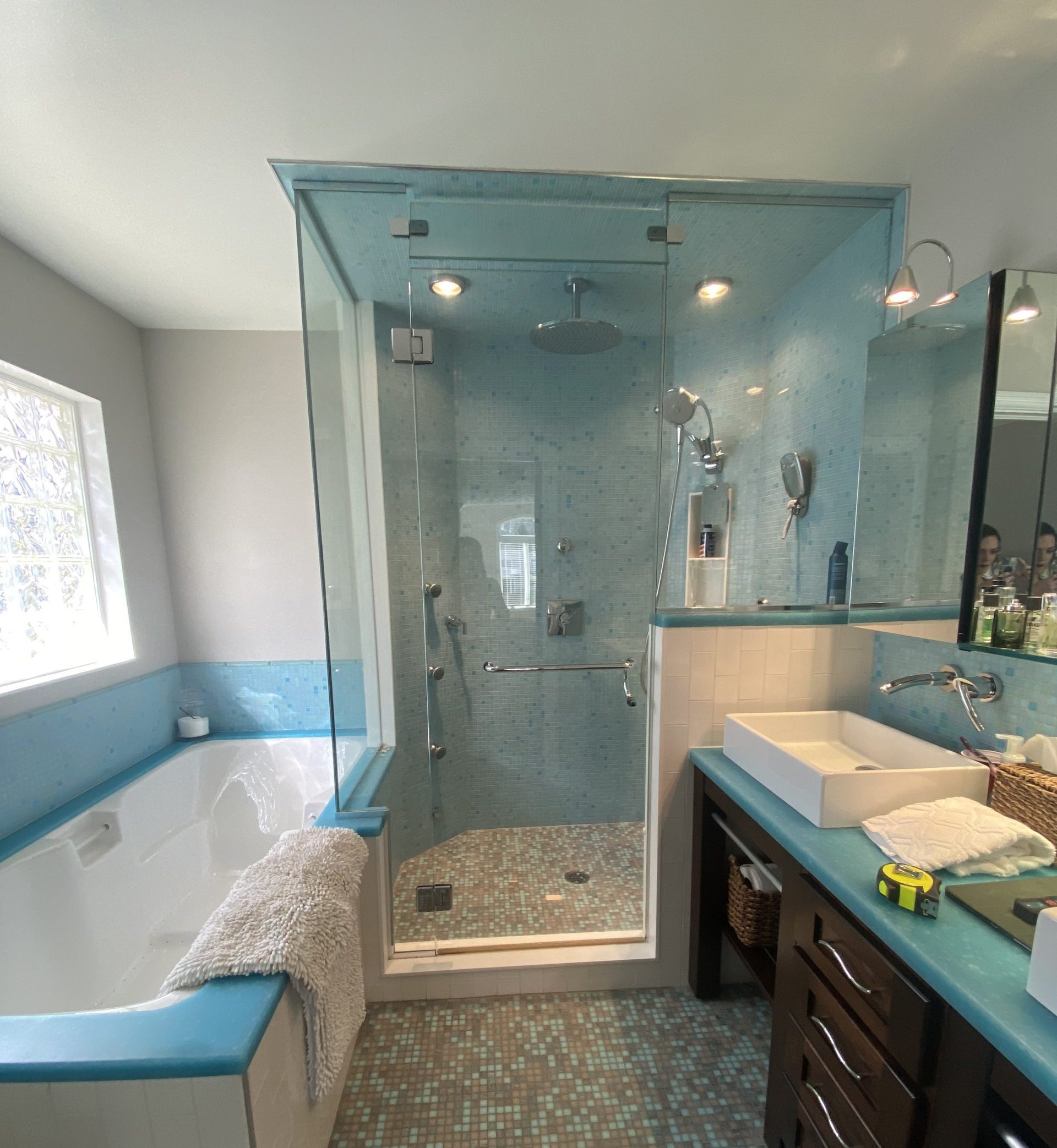 Reality of Demo vs. Reality TV We know – intellectually, practically, we know – that this is not how it works in the real world. Yet, there’s that hope (and a great deal of denial) that demo will be more TV-magic than real-world mess.
 It will not.
 Reality TV: Demo is just brute strength, tearing, gutting, ripping, and stripping. Reality: Demo requires skill, strategy, and precision.
 While there is clearly a physical element involved, ACo Director of Sales Joe Evans emphasizes that “It’s not just brute labor. There is skill and tact” in how a team approaches demo. “If you go in there and start ripping and tearing, you can create issues for the next trade and trouble down the line. [Homeowners] need to have someone to provide the strong labor but also the capacity to think through the next steps. Demo is far more strategic than people think.”
Joe explains that before even starting a project, the team does a full review of the scope and puts a demo strategy together. “Frankly, we can be more efficient because we can see the job better, have the key players out there, and make careful notes.” It also provides another opportunity to connect with the client and underscore how extensive demo can be and what they should expect.
Reality TV: It’s messy… for a minute. Reality: It’s messy….Television gives a glimpse into the dust, dirt, and grit associated with demo, but it does not reveal the full story. Joe says, candidly, “I don’t think you can adequately prepare someone for the mess [especially] if they’re going to be living in that space. You’re tearing out drywall, which is basically chalk. You’re tearing out tile, which has cement underneath. You’re tearing out wood floors, which may splinter and crack.”
“[Demo] generates all sorts of dust and debris” that – despite all precautions and care – can get stirred up, even after a crew member leaves their space clean at the end of the day. Someone walks through or near the workspace. The heating/cooling system activates. The dust creeps into adjacent areas that homeowners need to access.
Does this sound inconvenient? Unpleasant? Even horrible? This is exactly Joe’s import. “It’s going to be rough. It just is. I feel like we should lean into it and exacerbate the inconvenience, so people really hear us. The more we emphasize that, the more likely that a client will say, ‘It’s really not as bad as you made it out to be.’ That’s because I made it out to be horrible!”
Minimizing the reality of demo does a great disservice to clients entrusting their homes to us. We will never do that. That said, ACo does take proactive steps to manage the actual mess and create a “less angst-driven” process for homeowners, as we’ll discuss in a moment.
 Reality TV: It’s a quick and fun part of the overall process. Reality: It’s a process in and of itself – and emotions play a starring role.
 Fortunately, Joe says, “I do think most people have let go of the ‘HGTV expectation,’ that you come in, drop a wall in four seconds, and everybody laughs and high-fives. You can’t demo that way.”
What television does not show are the strategy meetings, the planning, and the precautions that go into demo. Nor do they depict homeowners trying to use their kitchens or bathrooms, for example, when they are being systematically demolished. “It can overwhelm people,” Joe says. “It becomes that much more emotionally charged because you are looking at it every day. You are inconvenienced by it every day.”
“[Demo] is more emotional than people think. There’s this sinking feeling people have” when their countertops or cabinets, showers or sinks, are torn out. This, too, is challenging to adequately prepare for, even as clients look forward to their results. Eagerness and anticipation take a backseat for a moment because, for a time, it seems like “nothing is happening.”
Joe explains, “Right after demo, none of the ‘exciting’ things are happening. We’re running mechanicals, for example, and framing things in. It always seems like it’s going to take forever.” These steps are important, and it’s critical we get them right in order to achieve the results they’re seeking. Again, we all know this intellectually, but emotionally, it can be frustrating – and despite what TV would have us believe, it can be exceptionally boring.
Demo and the aftermath won’t become your new normal. It won’t always be this way. Crucial work is happening, and you will soon be able to see it coming together in a reassuring way. It’ll just take longer than 45 minutes.
 Creating a Less-Stress Reality ACo understands that demo can be a challenging process, both literally and figuratively. We take every step possible to mitigate both the mess and stress, including:
 - Carefully planning a demo strategy. As mentioned, this puts us all – including, and especially, homeowners – on the same page about next steps. We can also work out logistics more effectively. For example, there may be two adjacent rooms that we need to access every day, so we need to account for both dust containment during job hours and client access afterhours.
- Zippered enclosures. These lightweight, durable zippered doors allow us to block off workspaces while still providing easy access to homeowners should they need to use those areas. We also use plastic sheeting where appropriate to further aid in containing dust and debris.
- Inexpensive furnace filters and fans. When possible, we can shut down heating/cooling systems, but if this is not feasible (particularly in the winter months), we can put filters over air returns to prevent dust and particles from circulating throughout the home. Also, simple window fans can be a great aid during demo.
- Floor coverings. To both contain mess and to protect your flooring, we regularly use products like dense, corrugated boards, carpet shields, and/or dense milled plastic. Additionally, crew members don protective footwear so they’re not tracking as much grime out of the workspace or grinding debris into floors.
- Vacuums with two filters. We strive to leave our jobsite clean at the end of the day. We ensure vacuums have two filters to trap particles, and we replace them frequently, so they work optimally.
- Debris removal. Joe likes a clean jobsite, which is why we typically bring a trailer to the site for debris removal. Not only does this reduce mess for homeowners, but it also sets high expectations for the next person or trade in. “When we clean up every day and take debris with us, they recognize that they’re walking into a clean situation and treat it as such.”
- Listening and responding. If you have a concern (e.g. an adjacent room is getting extremely dusty), Joe says, “We ask people to be patient but also engaged. Give us that feedback; talk to us.” It is vital that we communicate throughout the process, prepare you adequately for demo, and address any issues that crop up along the way. In addition to the project manager, ACo clients can also interact with their team via BuilderTrend, our convenient online customer portal.
Reality shows do get a few things right: Homeowners are excited. They do have a sense of satisfaction that they’re going to make changes that transform their homes. “People have a look of hope on their face,” Joe says, “They know they’re moving towards a result they want.”
To get that result, we need to go through demo first. The best way to do that is with blinders off, all the information in hand, and realistic expectations. We know we’ve done our job preparing you when you say, “It wasn’t that bad.”
To learn more about our process, from demo to dream-come-true, connect with ACo.
Subscribe to ACo Flooring, Cabinets, Kitchens & Baths's Blog




Comments