Choosing the Right Cabinetry for Your Home
Decision paralysis is the state we work ourselves into when presented with an overwhelming number of options. Andwe’ve all been there. A simple trip to the grocery store to buy a loaf of bread, for example, can become mind-numbing as we stare at dozens of whole-grain, 5-grain, 12-grain, gluten-free, low-carb, whole wheat, honey wheat, enriched wheat… Our stress levels elevate and our ability to make good choices goes right out the window. Now imagine that instead of sandwich fixings, you’re deciding on a critical element of your home. It’s no wonder decision paralysis is a common challenge during remodels. With the right information and the right guide, though, you can regain momentum. That’s why we’re here. When it comes to choosing the right cabinet solutions for your home: Think About Levels of Cabinetry Among the decisions to make is which level of cabinetry will be the best fit as we approach your design.- Stock. Ideal for those who want to save their decision-making energy for other aspects of their project, stock cabinets are functional and economically friendly. While you will have some options, they are greatly simplified. You’ll get what you need, and it’ll still be beautiful.
- Semi-Custom. Your options open up a bit here with more door styles, finishes, wood species, and accessories (e.g. molding) that can be modified to make your space your own. As Amanda Wagoner, Director of CAD, says, “There are more SKUs in our spec book,” when it comes to semi-custom.
- Fully-Custom. If you can imagine it, we can likely draw it and our custom cabinet lines can build it. Unless it defies the laws of physics, we can probably make it happen. The possibilities are virtually endless, from stain and paint matches to unique inlays to one-of-a-kind details. Overwhelming? It can be. But think of us as your in-store bread consultant. We’ll help guide you to the right selection.
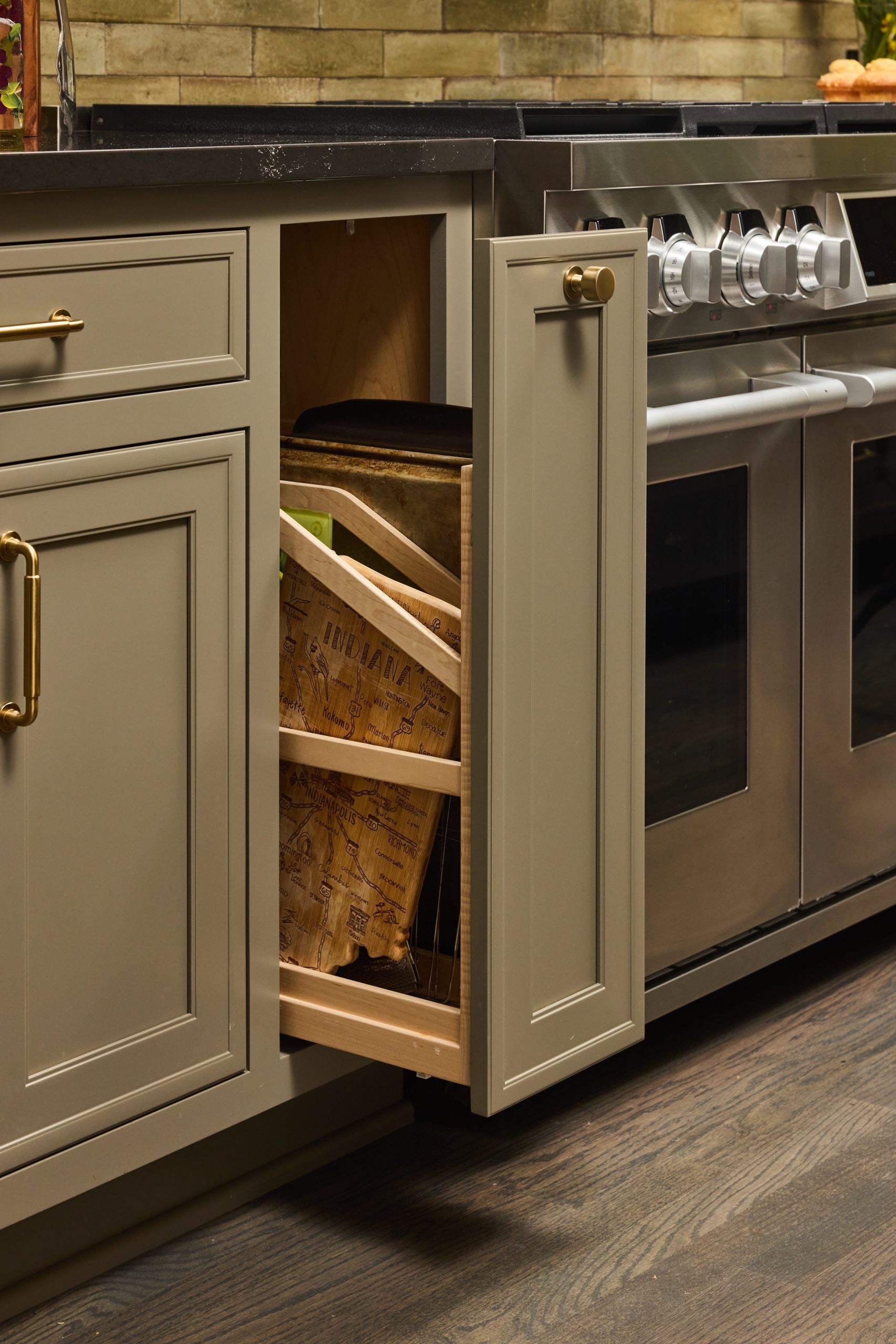
- Inset. These classic cabinets are simple and stunning. The doors and drawers are flush to the cabinet frame, creating clean lines that are ideal for many aesthetics. While refined and timeless, inset cabinets do cost more than overlay and you can lose a little bit of space.
- Full Overlay. Another great option for a streamlined look, full overlays feature extra-large doors and drawer fronts. These cover the cabinet face completely and there is a very narrow space between each one. Expect a long, beautiful life from these cabinets.
- Standard Overlay. Also called “partial overlay,” part of the face frame is visible around the doors and/or drawers.
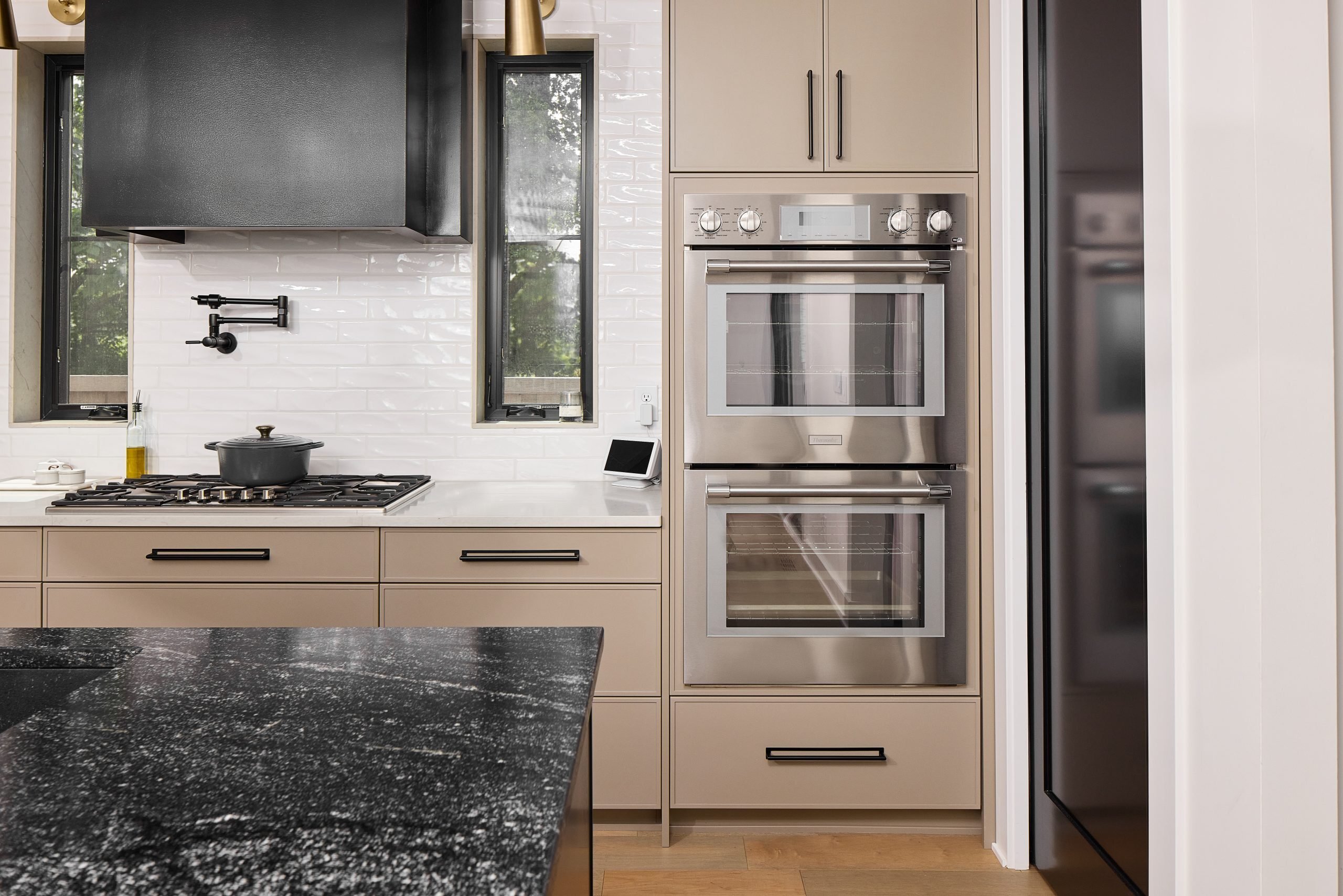
- Frameless. If you want to maximize cabinet storage and achieve a contemporary vibe, frameless is a great option. They do not have a face frame or a center stile between the doors, which is why they are also known as “full access” cabinets.
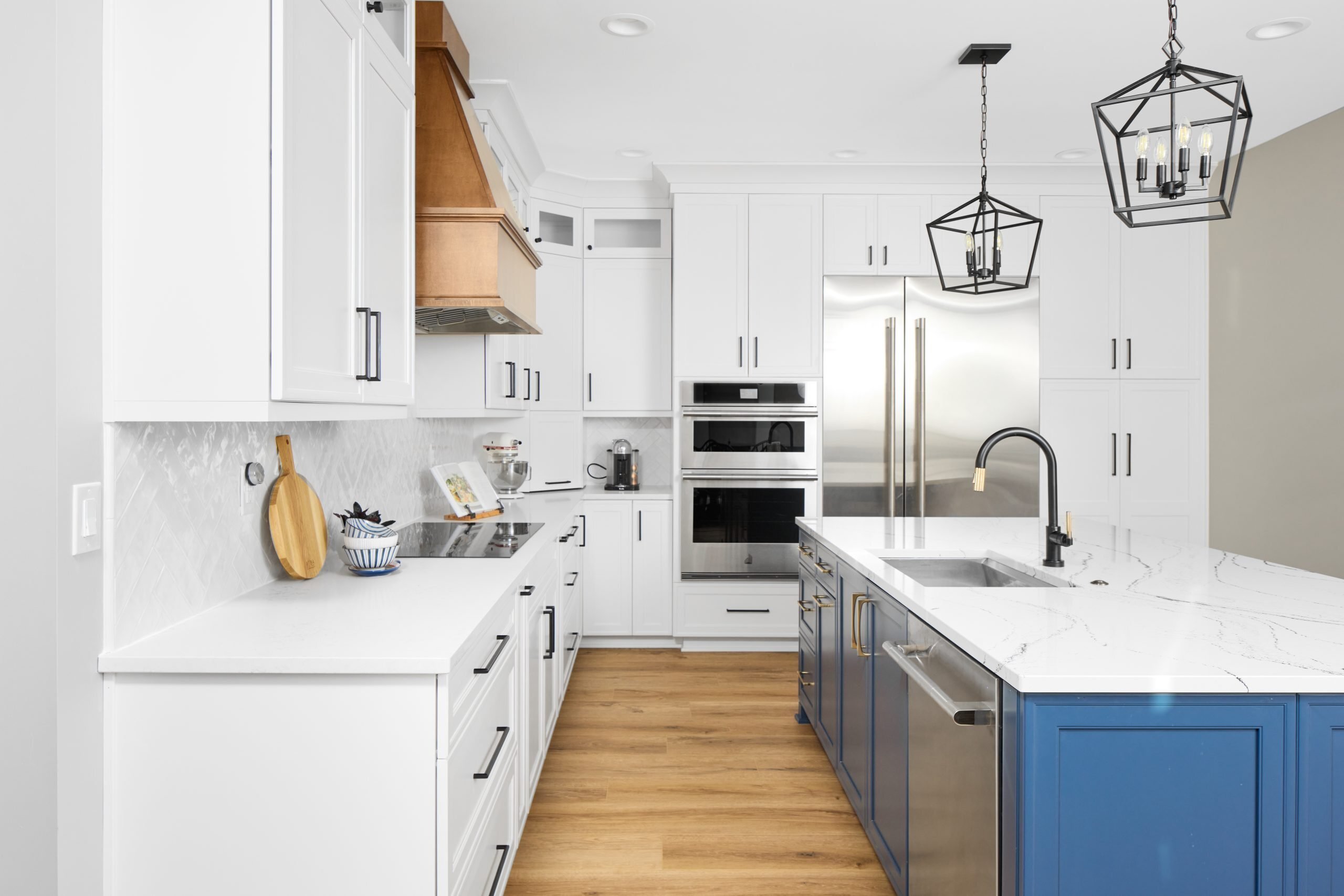
- Shaker (and, recently, thin shaker)
- Slab (a.k.a. flat front)
- Raised Panel
- Recessed Panel
- Beadboard
- Glass-Front
Comments